Why do a handful of pages attract hundreds of backlinks without a single outreach email, while the best blog post sits at zero?
It’s not domain authority or luck. It’s what the page is, not just what it says.
Most content is written to rank. A linkable asset is built to be cited, and this single difference in intent changes everything.
This guide covers 27 real examples across six categories. Each one tells you what was built, why it worked, and roughly how many domains have linked to it.
Our Own Linkable Asset Examples
The 27 examples below come from some of the most well-resourced publishers on the internet. But the same principles can be applied at any scale. Here is what we have seen firsthand across our own portfolio.
Across 200+ digital properties built across data, statistics, and various other niches, we have consistently focused on creating content designed for citation rather than just rankings.
Case Study 1: A Niche Data Property that Reached DR 87
Our goal was never to publish another statistics page that would rank for a few keywords and fade away. We wanted to create a data asset that journalists, marketers, researchers, and content teams could rely on every time they needed verified industry statistics.
Therefore, instead of producing opinion-based content, we invested in building a comprehensive data property that included trustworthy statistics, cited original sources, and presented information in a format that was easy to reference.
As more publishers discovered the resource, backlinks came in naturally because the page solved a genuine problem.
The result was a digital property that grew to Domain Rating (DR) 87, with organic citations becoming the primary driver of its authority.
We Earned The Authority By Providing Something Valuable
The strongest signal of success was not the Domain Rating itself. It was the quality of websites choosing to reference the content without any outreach from our team.
Several globally recognized brands cited our research across multiple pages.
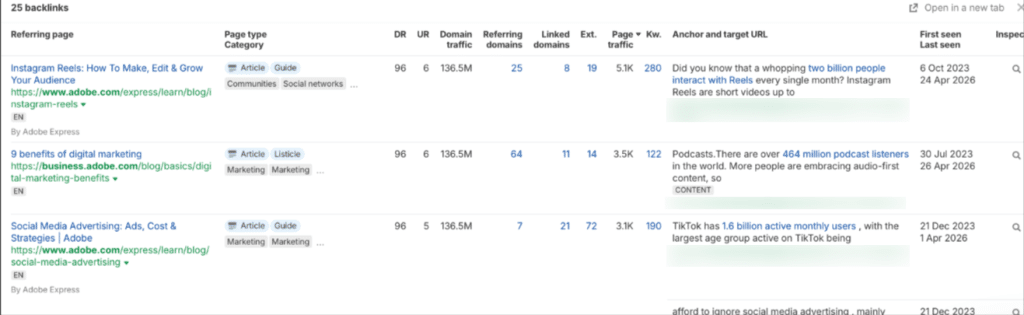
- Adobe (DR 96) referenced our statistics across 3 different articles, generating 25 backlinks from a single referring domain.
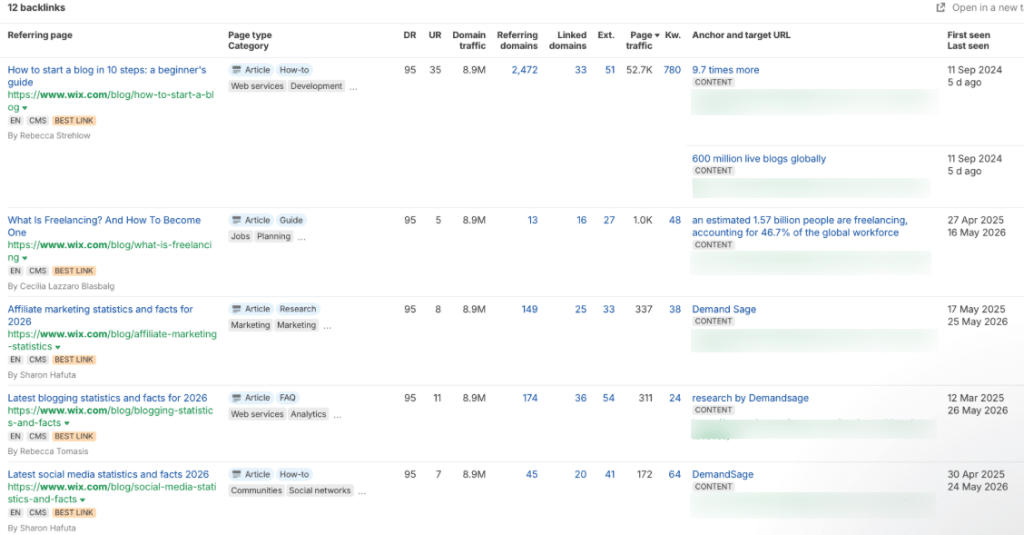
- Wix (DR 95) cited the data across 10 pages, resulting in 12 backlinks while continuously updating those references as new content was published.
- Amazon incorporated the research into 2 supply chain-related resources, reinforcing the credibility of the dataset.
These weren’t sponsored placements, guest posts, or link exchanges. They were editorial citations earned because the content became a dependable source of information.
Most statistics pages simply collect numbers from different websites. That approach rarely creates long-term value.
We focused on building a resource people would actually want to cite.
Our every statistic was verified, categorized, and updated regularly. The content answered multiple search intents, making it useful for marketers writing blogs, journalists covering industry trends, SaaS companies publishing reports, agencies creating campaigns, and researchers looking for credible references.
For us, this case study is proof that sustainable link building starts with creating assets people genuinely trust enough to reference. Outreach can help with good content, but utility is what earns links at scale.
Case Study 2: A Commerce Intelligence Platform that reached DR 75 Through Organic Citations
Our objective with this commerce intelligence platform was simple. Instead of producing another collection of blog posts, we built a centralized database that brought together fragmented ecommerce, retail, and marketplace data into one structured, searchable resource. The goal was to create something businesses, analysts, journalists, and marketers would return to whenever they needed reliable market statistics.
That decision transformed the platform into a natural link magnet.
The platform eventually grew to Domain Rating (DR) 75, with the overwhelming majority of its authority coming from editorial backlinks earned organically.
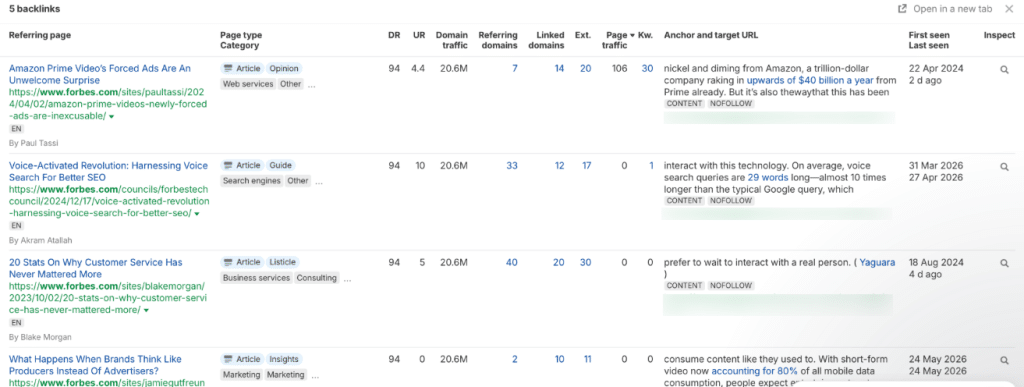
Several of the world’s most recognizable business publications and technology companies referenced the research across multiple pages.
- Forbes (DR 94) cited the platform across 5 different articles, covering topics ranging from voice search and customer behavior to ecommerce and digital advertising.
- Shopify referenced the research 6 times across its educational resources, using the data to support commerce and retail insights.
- HubSpot linked to the platform from 3 separate pages, citing its research in marketing and business content.
- Yahoo Finance (DR 94) referenced the platform across 3 news articles, including coverage related to Amazon Prime and Amazon Music, using its subscriber and commerce statistics to support breaking business news.
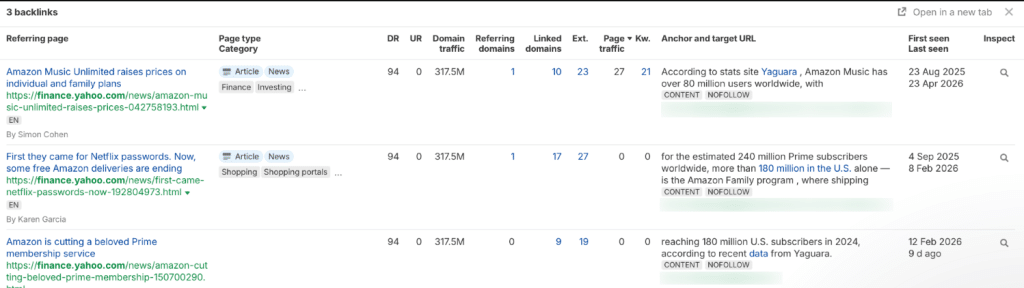
These citations were entirely editorial. No guest posts. No paid placements. No link exchanges. No outreach campaigns.
They were earned because publishers needed credible, well-organized data that strengthened their own reporting.
Case Study 3: How a Single Statistics Page Earned a DR 96 Editorial Link from Amazon
One of the biggest misconceptions in link building is that high-authority backlinks require extensive outreach or existing relationships.
Our experience has consistently shown the opposite.
For one of our data-driven projects, we earned an editorial backlink from Amazon (DR 96) without sending a single outreach email. The link wasn’t purchased, negotiated, or requested. It was earned because the content solved a problem that Amazon’s editorial team needed to solve.
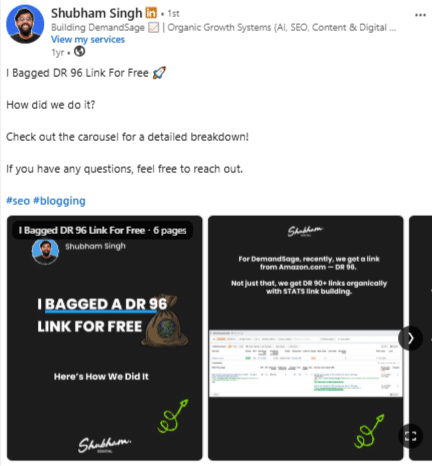
Here’s How It Happened
One lesson we’ve learned repeatedly is that even exceptional content won’t attract citations if people can’t find it.
The statistics page was carefully optimized for search intent, semantic relevance, and long-tail queries so it could rank for hundreds of related searches. Once the page gained visibility, publishers naturally discovered it while researching their own content.
The Outcome
The result was an editorial backlink from Amazon (DR 96), along with a growing stream of additional high-authority citations earned through the same methodology. The content continued attracting backlinks because it answered recurring questions that thousands of publishers, marketers, and businesses search for every year.
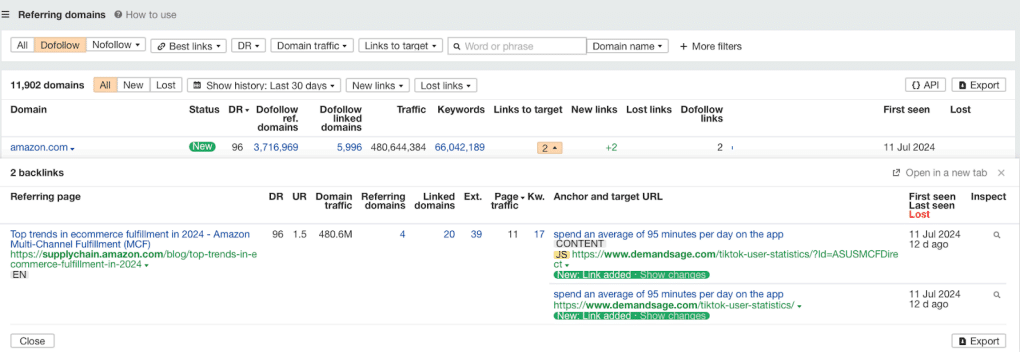
When statistical content is backed by credible research, structured around real search demand, and optimized for discoverability, it becomes far more than another blog post. It becomes a resource that authoritative websites rely on to strengthen their own content.
That’s exactly how sustainable, editorial link building works.
I originally shared a condensed version of this success on LinkedIn. If you’d like to see the original post, you can view it here.
These case studies highlight a simple truth: statistical content is one of the few content assets that naturally earns high-authority backlinks at scale.
What counts as a Linkable Asset (and What Doesn’t)
A linkable asset is a page so useful that other writers cite it without being asked. It earns the link because it makes their own work better. Whether it’s fixing a problem, answering a question, or just showing information in a way that nothing else really does.
A normal post asks for attention. A linkable asset gives a writer something they cannot easily make themselves, like fresh data or a working tool.
It also signals real experience and expertise, which Google rewards and publishers trust. Thin content fails this test, no matter how many outreach emails you send.
“Even if it’s data that already exists online, as long as you’re able to analyze it in a new way, or a different context that hasn’t been explored yet, then it could be interesting to people.” – Amanda Milligan
Source: Frac.tl
What it is NOT
- Link bait: It is designed to get clicks and shares in a 48-hour window. It may spike on social and pick up a dozen links, then flatline. A linkable asset can still earn referring domain in month 18.
- Supporting Content: It is like a well-written ‘what is X’ explainer, which helps your site rank and educate visitors, but other sites rarely cite it. It is part of your content operation, not a standalone asset.
- A gated lead magnet is designed to capture emails, not to be linked to. The moment you put a form in front of it, you have removed the incentive for anyone to share the URL. People don’t link to pages that make readers log in.
- A product page is a sales tool. It can attract links from reviews and press, but rarely compounds on its own. A linkable asset, by contrast, earns links because it exists, not because someone is promoting the product it sits next to.
The single test we use before calling anything a linkable asset:
Would a journalist or researcher link to this page if they had never heard of our brand? If the answer is yes, it’s an asset. If the answer is ‘maybe, once they know us,’ it’s supporting content.
The Six Categories of Linkable Assets
Not all linkable assets are built the same way or attract the same type of link. Here is a quick overview of each category, what makes it work, and the typical referring domain ceiling you can expect.
| Category | Why people link to it | Typical RD ceiling |
|---|---|---|
| Original research & data studies | Citable numbers people can’t get anywhere else. | 500-5,000+ |
| Free tools & calculators | Solves a real problem; bookmarkable and shareable | 200-2,000+ |
| Ultimate guides & glossaries | Saves readers from reading ten separate sources | 100-1,000+ |
| Visual & interactive assets | Shows what text can only describe | 300-3,000+ |
| Opinionated takes & manifestos | People quote it when agreeing or pushing back | 50-500 |
| Curated lists & databases | Maintained over time; becomes the default reference | 100-800+ |
The pattern that can be recognized across all six categories is that they serve a recurring need.
Here is what each category looks like in practice.
Methodology: Referring domain (RD) counts were collected using the Ahrefs Free Backlink Checker in June 2026. Figures are approximate and may change over time as backlink profiles are updated.
1. Original Research & Data Studies
Original research earns links because it creates facts that didn’t exist before. Every article that cites your stat is a backlink. The compounding effect here is the highest of any category.
When a journalist writes about content marketing trends, they need a number to cite. If your survey or report has a piece of data that people in your audience really want, they’ll link to it.
Example 1: HubSpot State of Marketing Report 2026
| Metric | Detail |
|---|---|
| Asset | HubSpot State of Marketing Report |
| Publisher | HubSpot |
| Referring domains | 11K+ |
HubSpot surveys thousands of marketers every year and publishes the results as a free, downloadable report covering channels, budgets, AI adoption, and ROI.
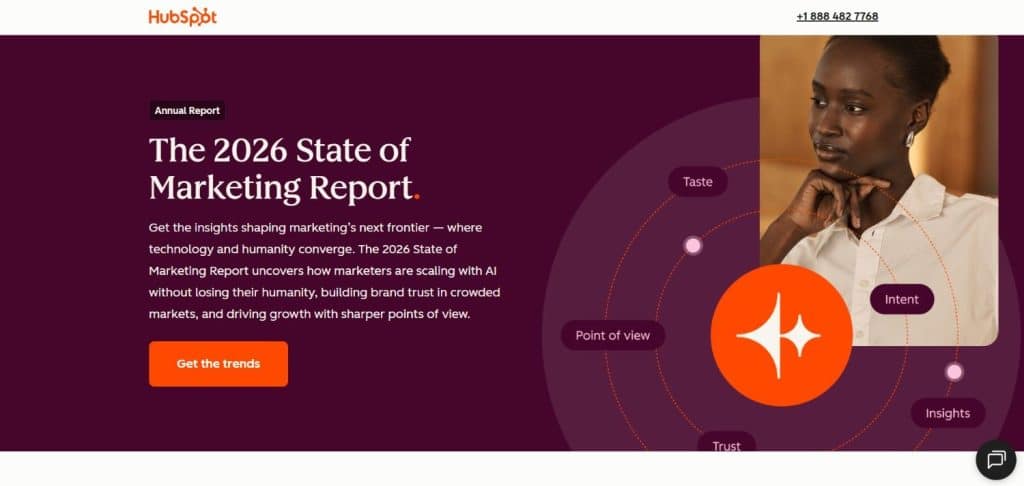
The report has run annually for over a decade, building a citation habit among marketing writers worldwide.
Example 2: Ahrefs Link Rot Study
| Metric | Detail |
|---|---|
| Asset | Ahrefs Link Rot Study |
| Publisher | Ahrefs |
| Referring domains | 500+ |
Ahrefs analyzed the backlink profiles of over two million domains to measure how quickly links die over time.
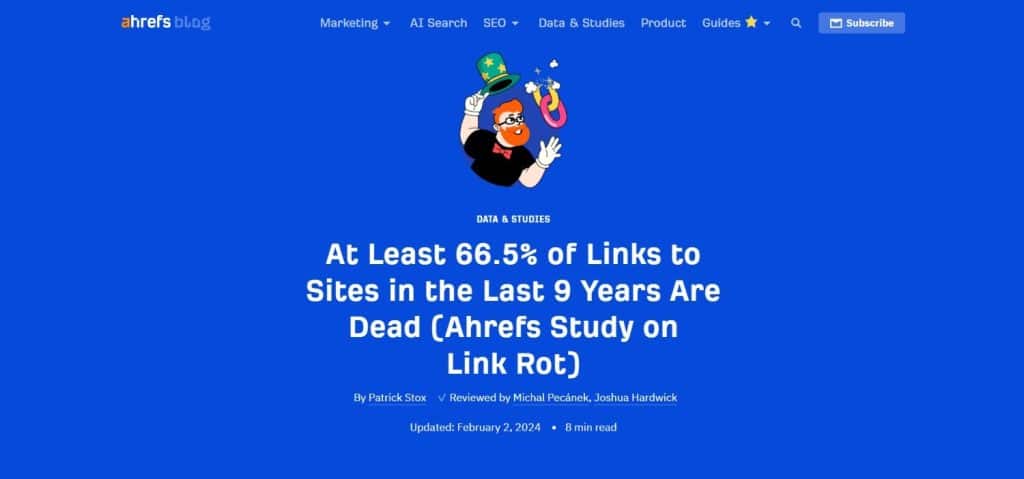
The headline finding ‘at least 66.5% of links built in the last nine years are now dead’, is the kind of statistic that gets cited in nearly every piece about link building. It’s specific, surprising, and supported by a dataset that no other company could replicate.
Example 3: Stack Overflow Developer Survey 2025
| Metric | Detail |
|---|---|
| Asset | Stack Overflow Developer Survey |
| Publisher | Stack Overflow |
| Referring domains | 524+ |
Stack Overflow survey covers more than 49,000 developers across 177 countries annually on AI tools, LLMs, and community platforms.
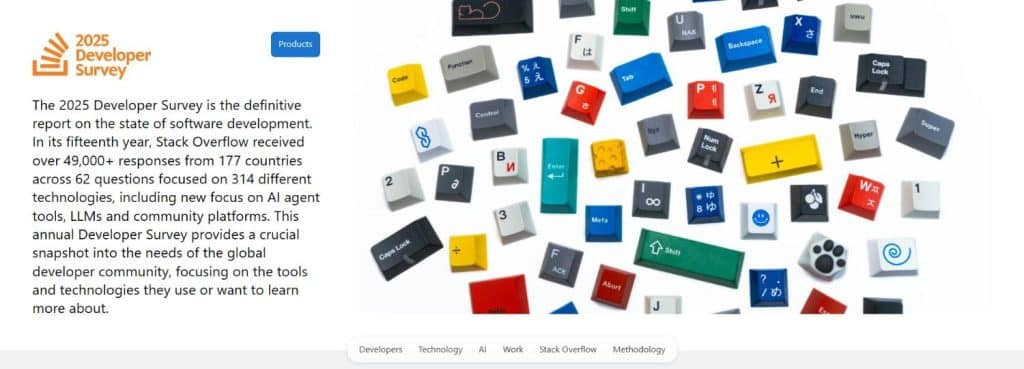
The 2025 edition revealed that 84% of developers reported using or planning to use AI tools, up from 76% the previous year. It has become the de facto reference for anyone writing about the programming landscape.
Example 4: a16z State of Crypto Report 2025
| Metric | Detail |
|---|---|
| Asset | a16z State of Crypto Report |
| Publisher | a16zcrypto |
| Referring domains | 2.9K+ |
a16zcrypto publishes a comprehensive State of Crypto report each year using proprietary data from their investment team, CSX accelerator, and industry-wide tracking.
The 2025 edition revealed that the total cryptocurrency market capitalization crossed the $4 trillion threshold for the first time. This kind of proprietary data makes the report irreplaceable as a citation source in crypto coverage.
Example 5: State of AI Report 2025
| Metric | Detail |
|---|---|
| Asset | State of AI Report |
| Publisher | Nathan Benaich & Air Street Capital |
| Referring domains | 2.2K+ |
Nathan Benaich and Air Street Capital publish this annual report covering AI research, industry, politics, safety, and predictions.
It is dense, opinionated, and backed by primary analysis of academic literature and funding data. For anyone writing about AI progress, it has become the annual reference in the field.
The pattern across all five research examples is that the publisher has access to data that their audience cannot get anywhere else, and they release it at regular intervals.
If you’re looking for inspiration on the types of data points that naturally attract citations, our collection of link building statistics showcases dozens of industry-backed figures.
2. Free Tools & Calculators
Free tools earn links differently from articles. People don’t link to tools because they read them; they link because they use them and want to tell others.
The citation is a recommendation, not a reference. That makes tool links highly durable as the tool stays useful as long as the problem exists, so links keep coming.
Example 6: Ahrefs Free Backlink Checker
| Metric | Detail |
|---|---|
| Asset | Ahrefs Free Backlink Checker |
| Publisher | Ahrefs |
| Referring domains | 5.9K+ |
Ahrefs offers a free, no-login version of their backlink checker that shows the top backlinks, Domain Rating, and referring domain count for any URL (which we are using currently for every example mentioned in this guide).
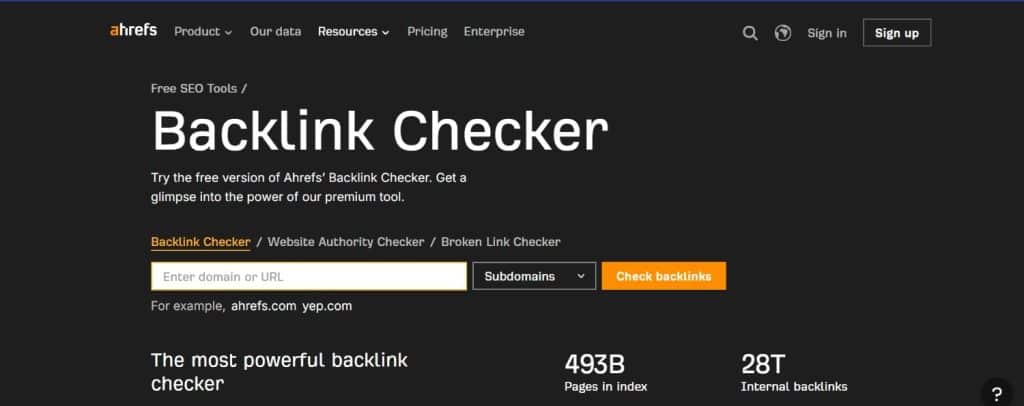
It is the standard entry point for SEOs who want to check a competitor’s backlinks without paying for a full subscription. Every piece of SEO content that mentions backlink checking tends to link to it
Example 7: Shopify Business Name Generator
| Metric | Detail |
|---|---|
| Asset | Shopify Business Name Generator |
| Publisher | Shopify |
| Referring domains | 100+ |
Shopify’s business name generator is a lightweight tool that takes a keyword and returns available business name ideas with domain suggestions.
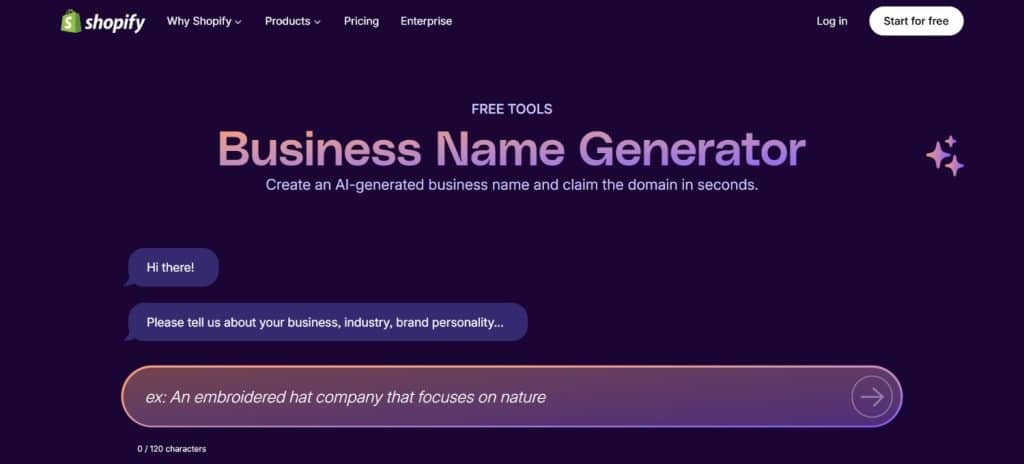
According to Foundation Inc., it ranks for over 18,000+ long-tail keywords and drives roughly 380,000 sessions per month, at an estimated traffic value of $540,000 per month.
What makes it a linkable asset: every article about starting a business, naming a company, or picking a domain name links to it as a practical resource.
Example 8: Hemingway Editor
| Metric | Detail |
|---|---|
| Asset | Hemingway Editor |
| Publisher | Adam & Ben Long |
| Referring domains | 21K+ |
The Hemingway Editor is a browser-based writing tool that highlights complex sentences, passive voice, and hard-to-read passages in different colors.
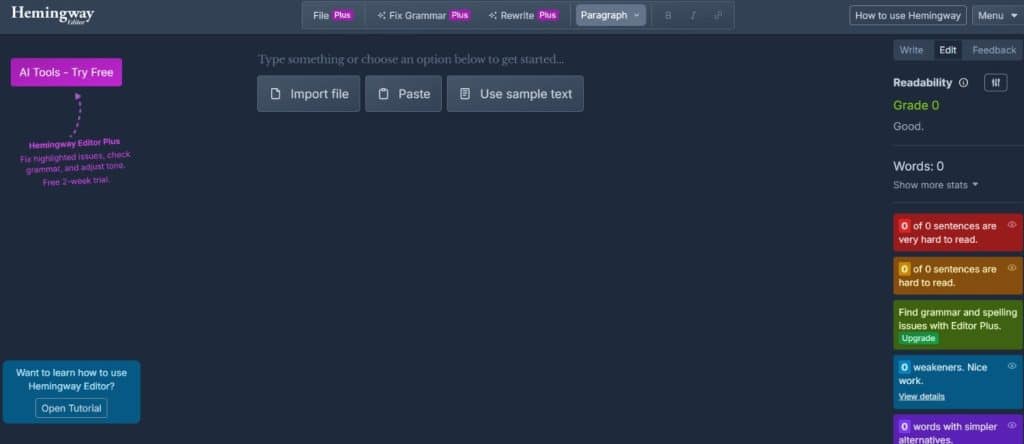
Writers use it to simplify their prose before publishing. It has become the default recommendation in content writing guides, copywriting listicles, and journalism courses.
Example 9: Canva Color Palette Generator
| Metric | Detail |
|---|---|
| Asset | Canva Color Palette Generator |
| Publisher | Canva |
| Referring domains | 1.9K+ |
Canva’s color palette generator lets you pull a handful of colors straight from any image you upload or a color you pick.
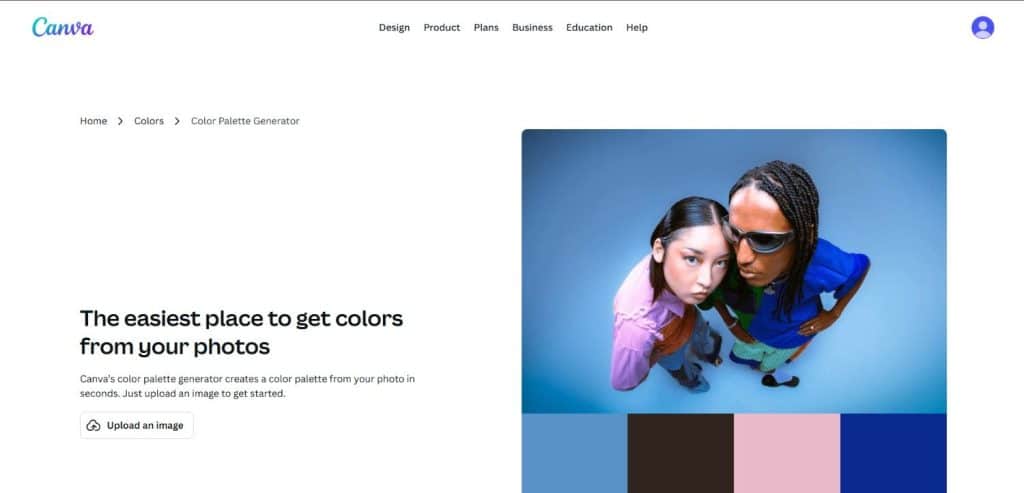
The tool earns citations from UX articles, brand identity guides, web design tutorials, and developer resources simultaneously.
Example 10: Veed.io Free AI Subtitle Generator
| Metric | Detail |
|---|---|
| Asset | Veed.io Free AI Subtitle Generator |
| Publisher | Veed |
| Referring domains | 375+ |
Veed.io has this handy AI-powered subtitle tool that does all the heavy lifting in your browser.srt files without making you download anything.
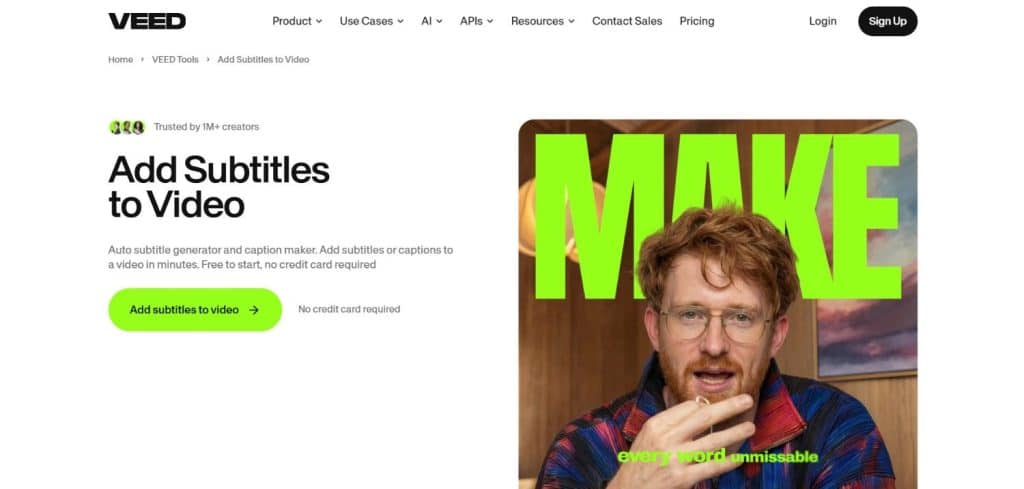
It targets the massive market of creators who need subtitles but don’t want to pay for professional captioning services. Every ‘how to add subtitles’ article links to it as the easiest free option.
All tools mentioned share one structural trait: they solve a recurring problem that users return to repeatedly. Tools that live inside recurring workflows tend to earn links consistently over time.
3. Ultimate Guides & Glossaries
Ultimate guides earn links by saving writers from having to link to ten separate sources. A well-structured glossary or learning center becomes the single citation that covers the entire concept.
The production investment is higher than most categories, but the longevity is exceptional. Guides built five or ten years ago still attract links today if they are maintained.
Example 11: Cloudflare Learning Center
| Metric | Detail |
|---|---|
| Asset | Cloudflare Learning Center |
| Publisher | Cloudflare |
| Referring domains | 122+ |
Cloudflare built a comprehensive, free learning center covering DNS, CDN, DDoS protection, HTTP, SSL, and dozens of other networking concepts. It functions as the internet’s infrastructure glossary.
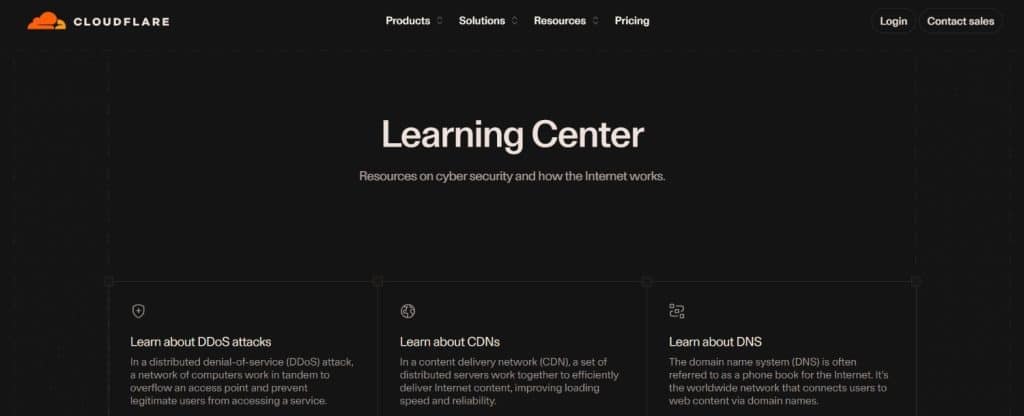
Security journalists, developers, and IT bloggers link to it whenever they need to define a technical concept without writing a 1,000-word article.
Example 12: Stripe Atlas Guides
| Metric | Detail |
|---|---|
| Asset | Stripe Atlas Guides |
| Publisher | Stripe |
| Referring domains | 100+ |
Stripe Atlas publishes deep, practical guides on how to incorporate a company in the US, set up banking, handle inquiries, and navigate early-stage legal and tax questions.
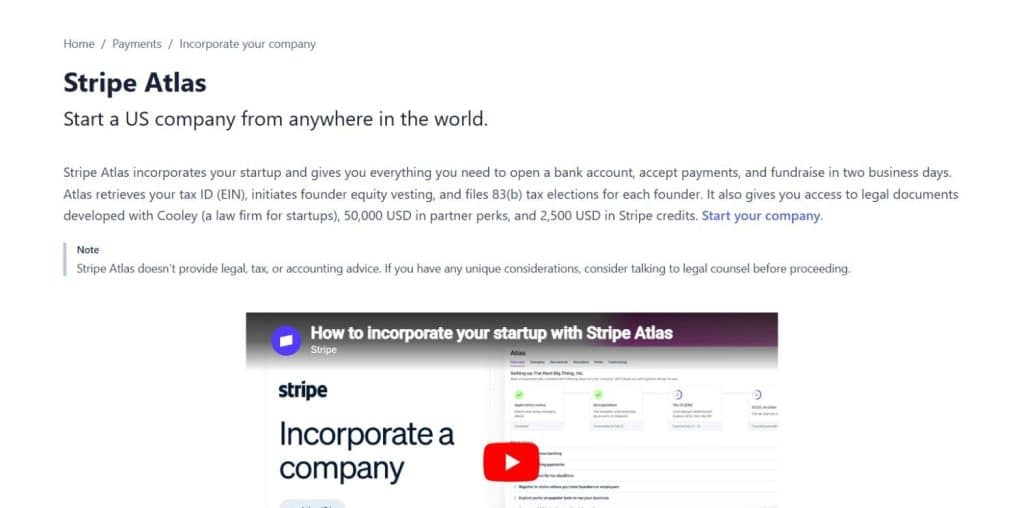
These guides are not marketing fluff. Startup founders rely on them when they’re facing big decisions because they’re detailed and actually useful. The guides earn links from every ‘how to start a startup’ article in existence.
Example 13: Search Engine Land’s Periodic Table of SEO Factors
| Metric | Detail |
|---|---|
| Asset | Search Engine Land’s SEO Table |
| Publisher | Search Engine Land |
| Referring domains | 852+ |
Search Engine Land published a ‘periodic table’ visual that organized all major SEO ranking factors into a memorable periodic table structure.
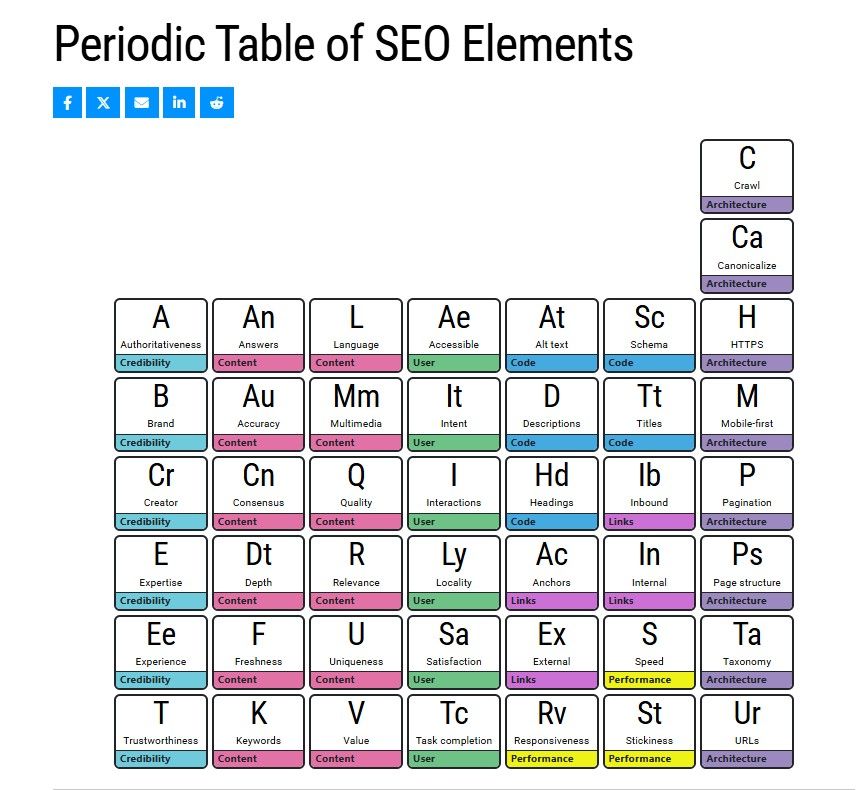
It was widely shared, used in classrooms, and cited in SEO certification courses. It became the standard overview citation for anyone writing ‘what are SEO ranking factors.’
Example 14: Webflow University
| Metric | Detail |
|---|---|
| Asset | Webflow University |
| Publisher | Webflow |
| Referring domains | 13K+ |
Webflow built a full educational platform known as ‘Webflow University’ with video courses, written lessons, and certifications.
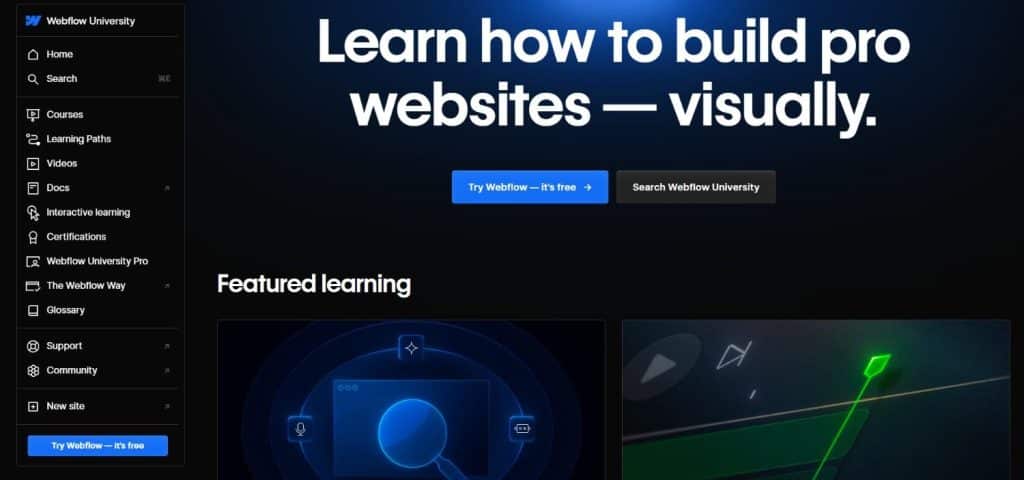
It’s free, structured, and comprehensive enough that design bootcamps link to it as a supplementary learning resource. Every ‘learn web design’ roundup links to it as the definitive free option.
Example 15: Nielsen Norman Group
| Metric | Detail |
|---|---|
| Asset | Nielsen Norman Group |
| Publisher | Nielsen Norman Group |
| Referring domains | 1.8K+ |
The Nielsen Norman Group, founded by Jacob Nielsen and Don Norman, has been publishing UX research articles since 1998.
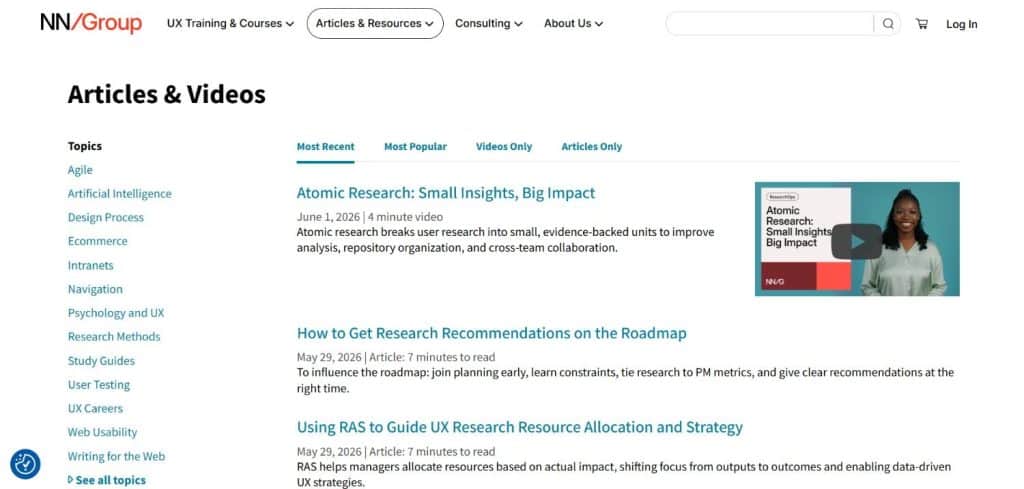
Their pieces on attention spans, eye-tracking, and cognitive load have been cited in academic pages, agency presentations, and product design guides worldwide. The domain authority is exceptional, but so is the individual article quality.
A guide becomes linkable when it saves the reader from doing the research themselves. If someone can skip hours of work by reading it, it naturally becomes something others cite.
4. Visual & Interactive Assets
Visual and interactive assets earn links because they show what text can only partially describe. The production cost is higher, but the link density per piece can be exceptionally high.
A well-executed chart, map, or scroll-driven story gives journalists or bloggers something special. It’s the kind of thing they can embed or reference, but can’t really recreate with words alone.
Example 16: The New York Times 2024 Election Results Map
| Metric | Detail |
|---|---|
| Asset | NYT 2024 Election Results Map |
| Publisher | The New York Times |
| Referring domains | 1.1K+ |
The New York Times produces real-time interactive election maps that become the default citation for every piece of election analysis published by smaller outlets.
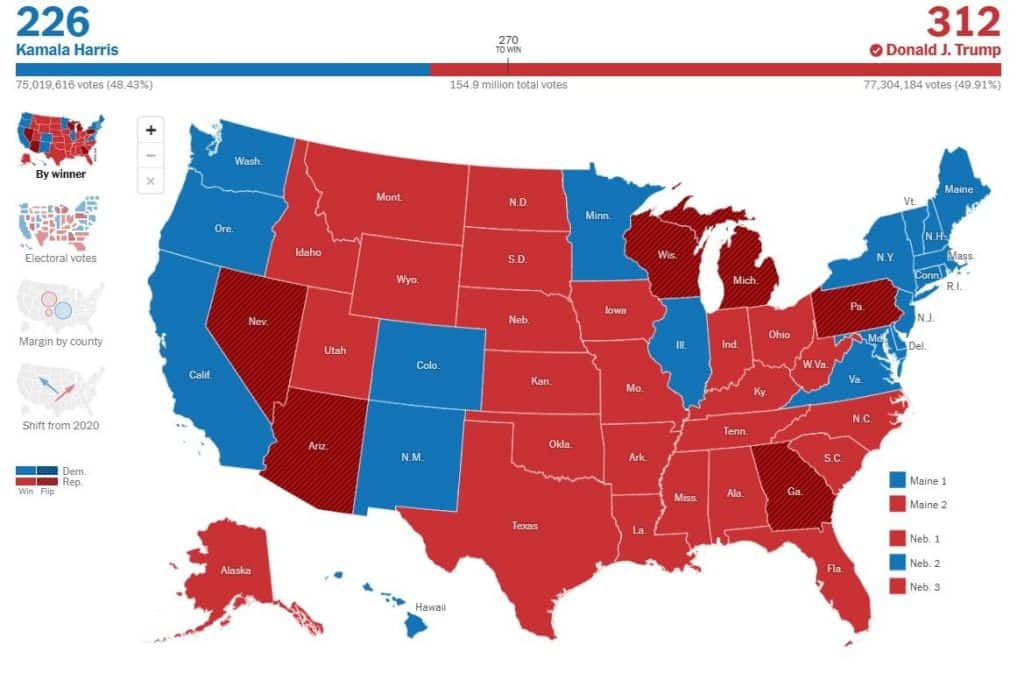
The 2024 presidential results map was embedded and linked by thousands of publications worldwide. It is a single-use asset that earns massive link volume in a compressed time window.
Example 17: Information is Beautiful – The Billion Dollar Gram
| Metric | Detail |
|---|---|
| Asset | The Billion Dollar Gram |
| Publisher | David McCandless / Information is Beautiful |
| Referring domains | 253+ |
David McCandless built a visualization that shows comparative global spending on military budgets, bailouts, and disasters, all scaled to the same visual unit.
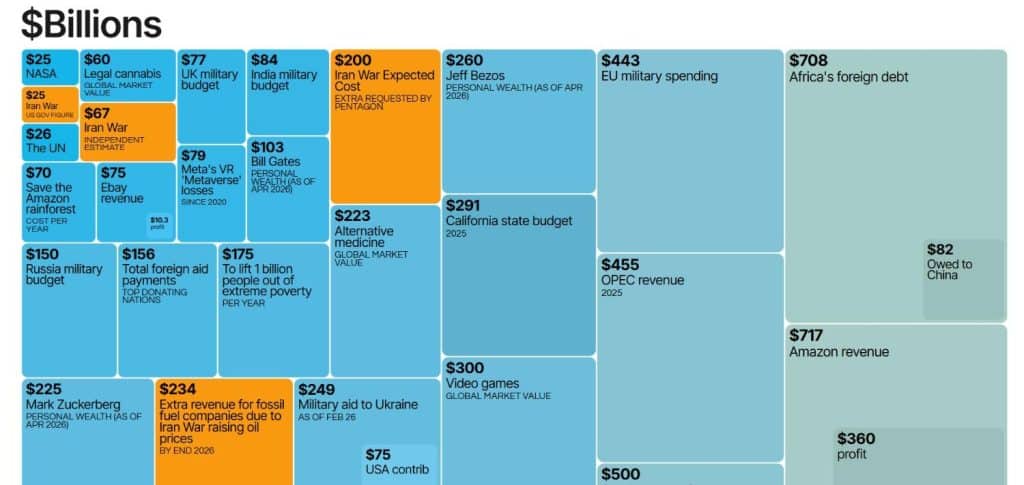
Information is Beautiful publishes dozens of these visualizations. Journalists and educators keep linking back to them whenever they need a clear, eye-catching way to show scale or make comparisons.
Example 18: Bartosz Ciechanowski – Gears
| Metric | Detail |
|---|---|
| Asset | Gears |
| Publisher | Bartosz Ciechanowski |
| Referring domains | 200+ |
Bartosz Ciechanowski is a software engineer who builds deeply interactive visual guides for complicated mechanical and physical ideas.
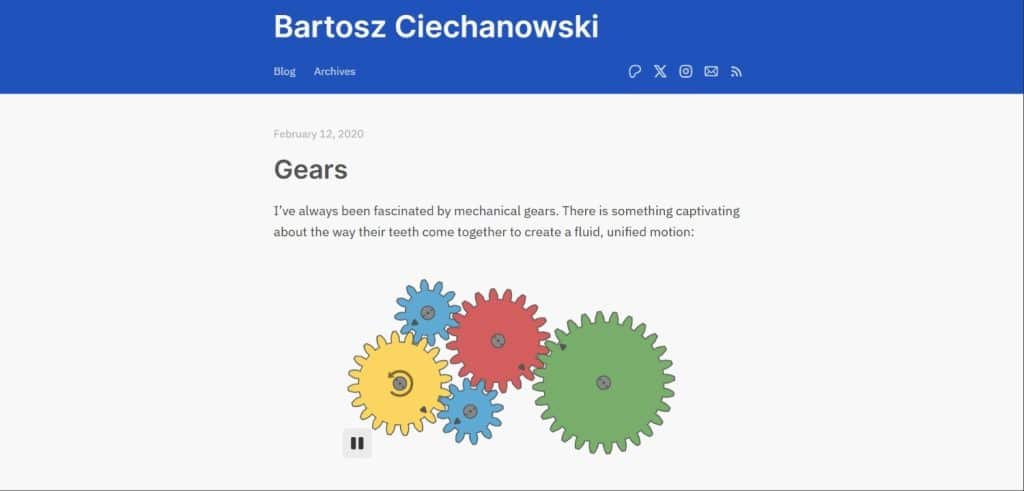
His piece on gears, for example, isn’t just something to read. You can actually move around animated, 3D models right in your web browser to see how gear ratios, torque, and the way gears fit together all work in real time.
Example 19: The Pudding
| Metric | Detail |
|---|---|
| Asset | The Pudding |
| Publisher | The Pudding |
| Referring domains | 8.7K+ |
The Pudding is a digital publication that explains culture through visual essays. Their articles on everything from hip-hop lyrics to gender bias in film scripts combine original data analysis with scroll-driven interactive design.
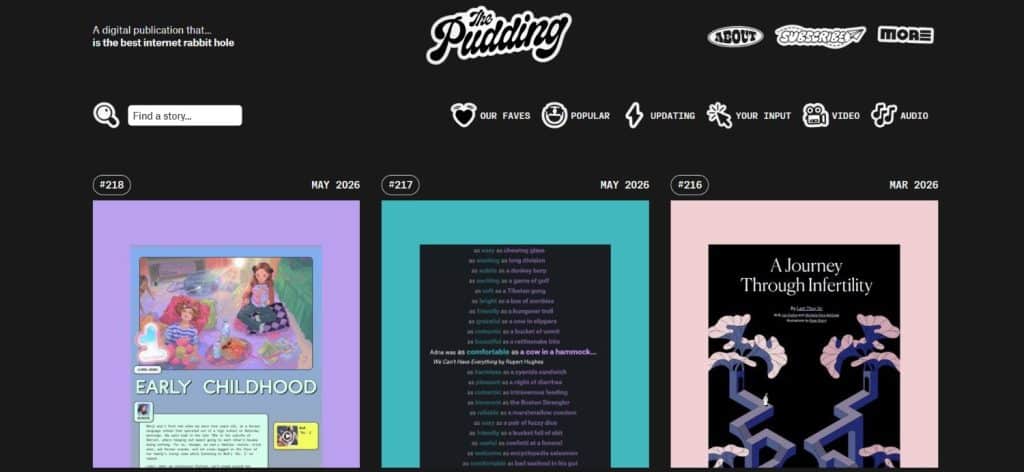
They won a Peabody Award in 2017, one of the most prestigious honours in broadcasting and digital media. Their approach is to take a cultural debate, find a dataset, and make the data visible in a way that moves you.
Example 20: Visual Capitalist
| Metric | Detail |
|---|---|
| Asset | Visual Capitalist |
| Publisher | Visual Capitalist |
| Referring domains | 47K+ |
Visual Capitalist publishes data-driven infographics on economics, markets, technology, and geopolitics. Their work is frequently embedded in financial newsletters, cited in academic papers, and picked up by major news outlets.
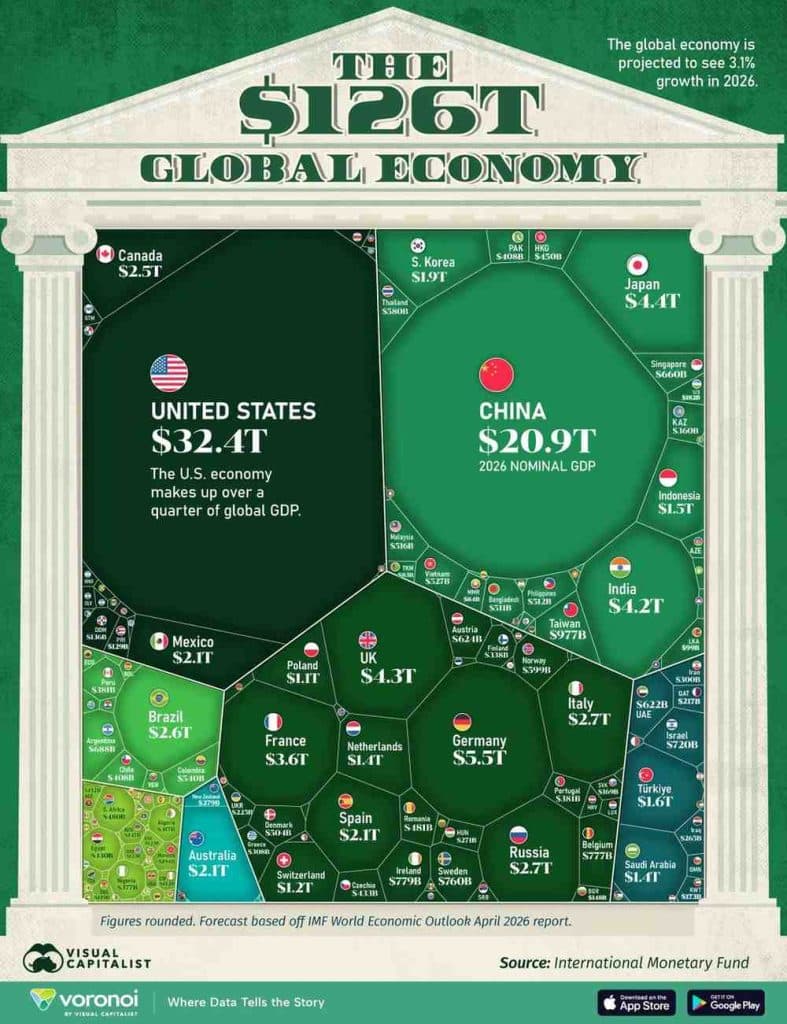
They publish multiple pieces per week, all formatted as shareable graphics with clear data attribution. The volume and quality together create a compounding library of citable assets.
The production cost for visual and interactive assets is high, but notice that the ceiling is also proportionally high. If you can invest in the format, the return on earned links tends to exceed the production cost.
5. Opinionated Takes & Manifestos
Opinionated takes earn links because they give other writers something to engage with, something to quote when agreeing, to cite when pushing back.
A bold claim backed by credibility creates a conversation that lives in links. These are the fastest assets to produce and the hardest to replicate, as they require someone willing to say something specific and defensible in a niche that matters.
Example 21: Leopold Aschenbrenner – Situational Awareness
| Metric | Detail |
|---|---|
| Asset | Situational Awareness |
| Publisher | Leopold Aschenbrenner |
| Referring domains | 2.3K+ |
Aschenbrenner, a former OpenAI researcher who was fired in April 2024, published a 165-page essay in June 2024 arguing that AGI will arrive by 2027, followed by superintelligence within a year.
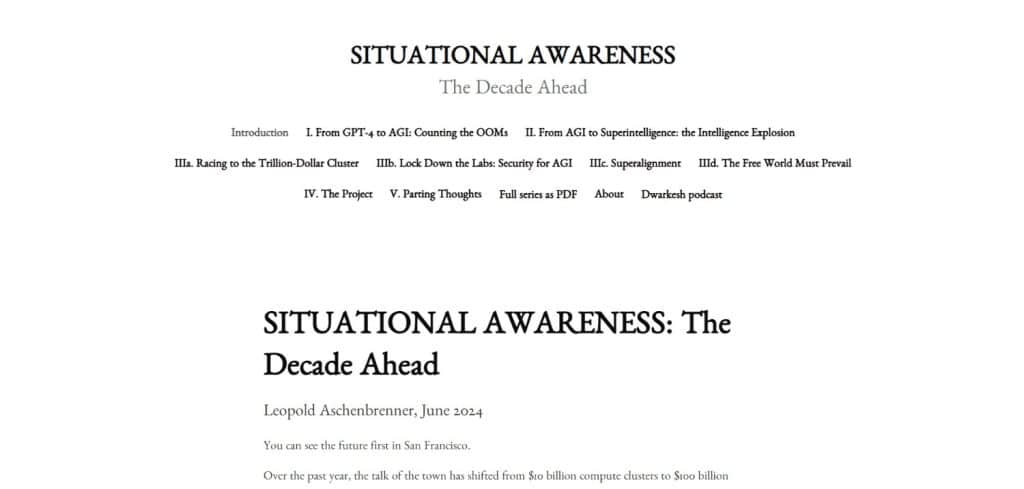
The controversy hooks are stacked, the author was fired from OpenAI, the predictions are extreme, and the essay is backed by detailed technical arguments that make it difficult to dismiss.
Example 22: Dario Amodei – Machines of Loving Grace
| Metric | Detail |
|---|---|
| Asset | Machines of Loving Grace |
| Publisher | Dario Amodei |
| Referring domains | 2.6K+ |
Anthropic CEO Dario Amodei published this essay in October 2024, describing what a world with powerful, safe AI might look like, compressing a century of progress in biology, economics, and global development into a decade.
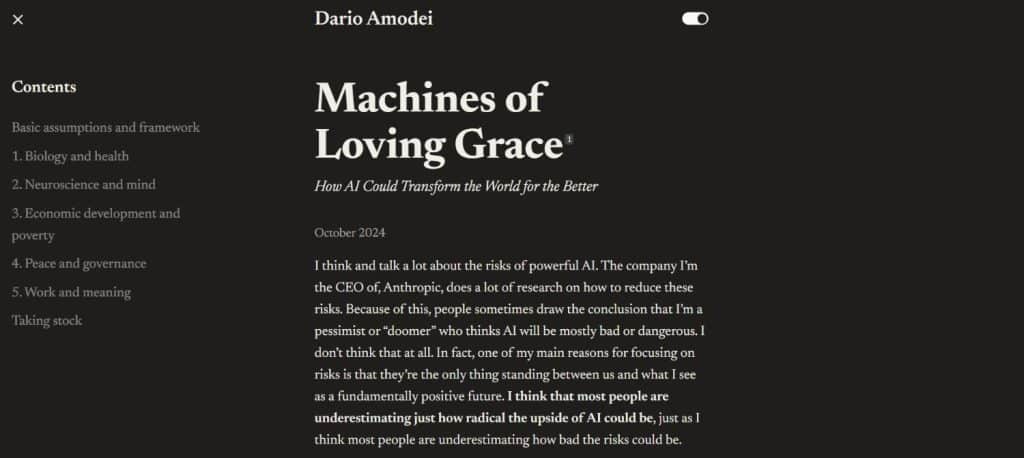
The controversy is structural: Amodei argues that Anthropic, a company known for AI safety concerns, actually envisions a profoundly positive future for AI and that most people underestimate the upside. Critics and supporters both cite it constantly.
Example 23: Linear’s Method
| Metric | Detail |
|---|---|
| Asset | Linear’s Method |
| Publisher | Linear |
| Referring domains | 177+ |
Linear, the project management software company, published “The Linear Method”, a public articulation of how they build products: weekly cycles, high standards, and a small team philosophy.
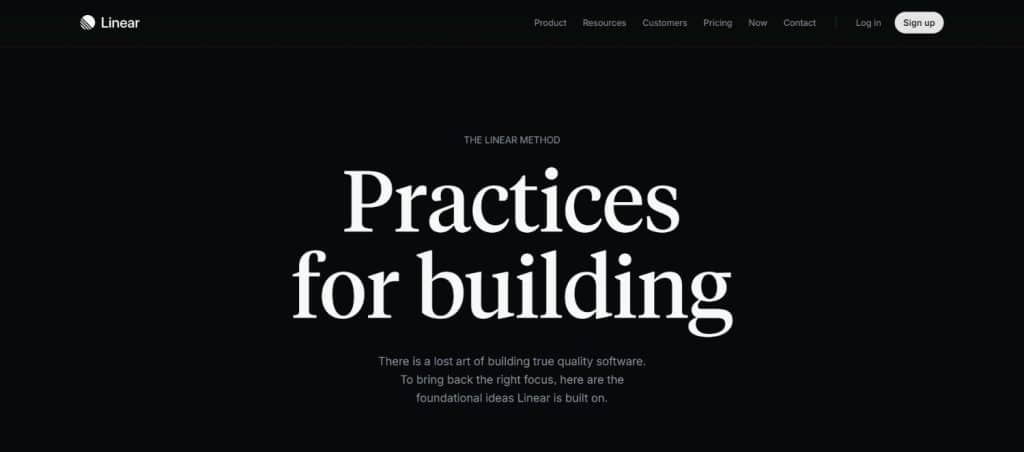
It’s a direct challenge to Agile and Jira-style project management dogma. Product managers, founders, and engineers cite it in debates about how software teams should work. It implicitly argues that most engineering teams are managing projects wrongly.
Example 24: Patrick Collison – Fast
| Metric | Detail |
|---|---|
| Asset | Fast |
| Publisher | Patrick Collison |
| Referring domains | 487+ |
Stripe CEO Patrick Collison published a simple, curated list on his personal site of examples where things were remarkably fast, like the Empire State Building in 410 days and the first iPhone in 24 months.
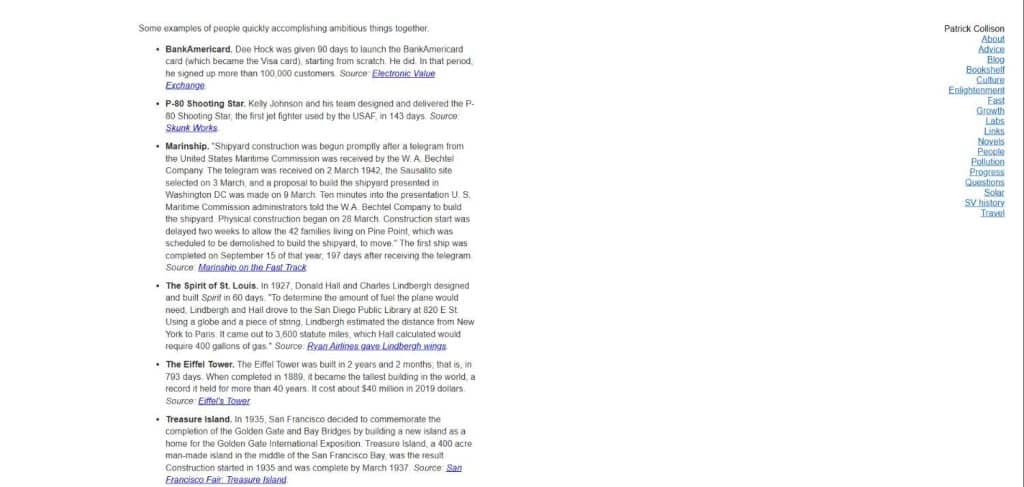
The argument: the standard assumption that complex things take a long time is false, and we have forgotten how to move quickly. It is cited constantly in productivity, startup, and management writing as the counterargument to institutional slowness.
What these assets share is that each one says something specific enough to disagree with. Vagueness earns no links because there is nothing to engage with. A clear, defensible, slightly surprising claim gives every reader a reason to either quote it or refute it.
6. Curated Lists & Databases
Curated lists earn links differently from the previous five categories. The initial link volume is moderate, but the maintained databases compound over time.
Every time the database adds a new record, it becomes more useful, which means more links, more traffic, more awareness, and more people adding to the database. This is particularly powerful for software directories.
Example 25: Awesome Lists on GitHub
| Metric | Detail |
|---|---|
| Asset | Awesome Lists on Github |
| Publisher | Sindre Sorhus |
| Referring domains | 2.3K+ |
Sindre Sorhus created the original “Awesome” list, a GitHub repository of curated, high-quality resources for software development topics.
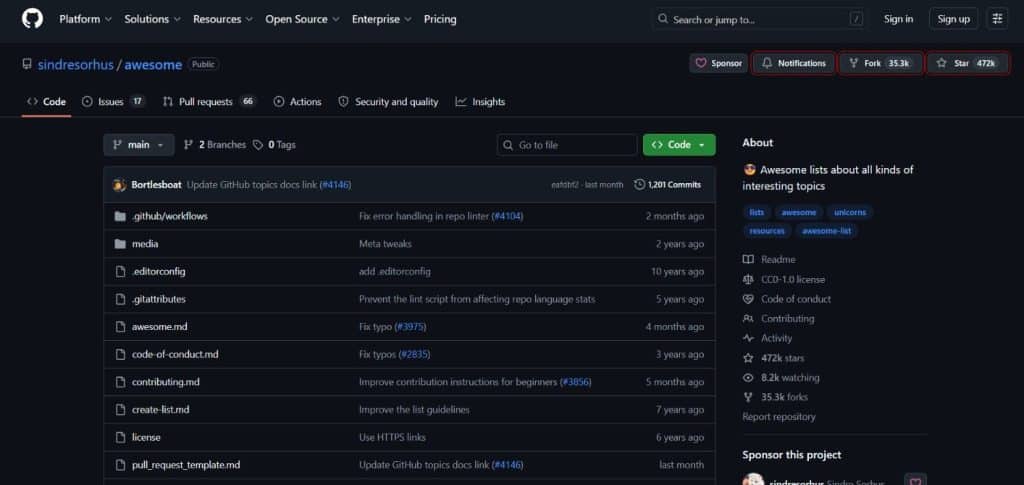
The format spread, and there are now hundreds of Awesome lists covering everything from Python libraries to machine learning papers to open-source security tools. Every developer writing about learning a technology links to the relevant Awesome list as the starting point.
Example 26: G2 – Software Categories & Grids
| Metric | Detail |
|---|---|
| Asset | G2 – Software Categories & Grids |
| Publisher | G2 |
| Referring domains | 277+ |
G2 built the largest software review database on the internet, organized by category and sub-category. Every SaaS category wants to be listed and reviewed there.
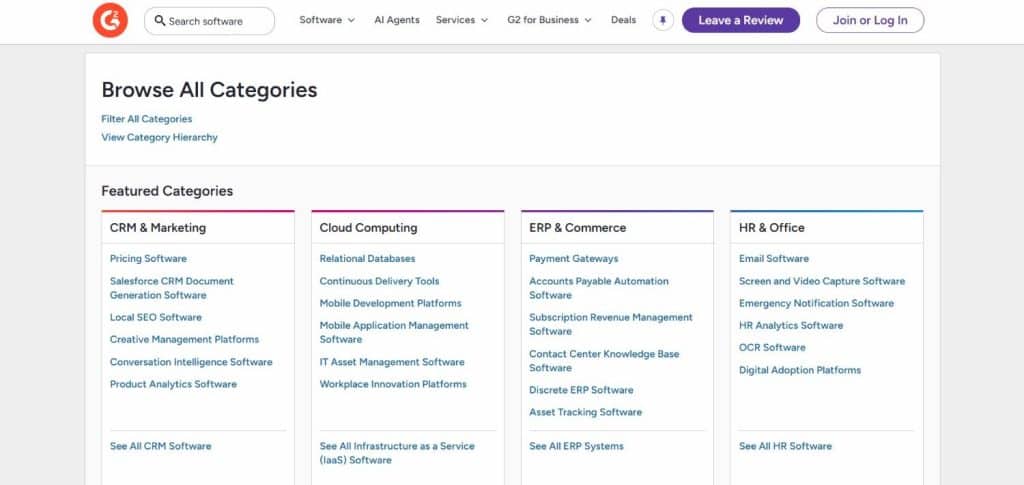
Journalists writing about software categories link to G2’s category pages as the authoritative grid. Database features such as reviews, ratings, comparisons, and grids give people multiple reasons to link from multiple angles.
Example 27: Artificial Analysis LLM Leaderboard
| Metric | Detail |
|---|---|
| Asset | Artificial Analysis LLM Leaderboard |
| Publisher | Artificial Analysis |
| Referring domains | 9K+ |
Artificial Analysis builds and maintains an LLM leaderboard that benchmarks dozens of AI models on quality, speed, and price simultaneously. Unlike other leaderboards that focus on a single metric, they let users compare trade-offs across dimensions.
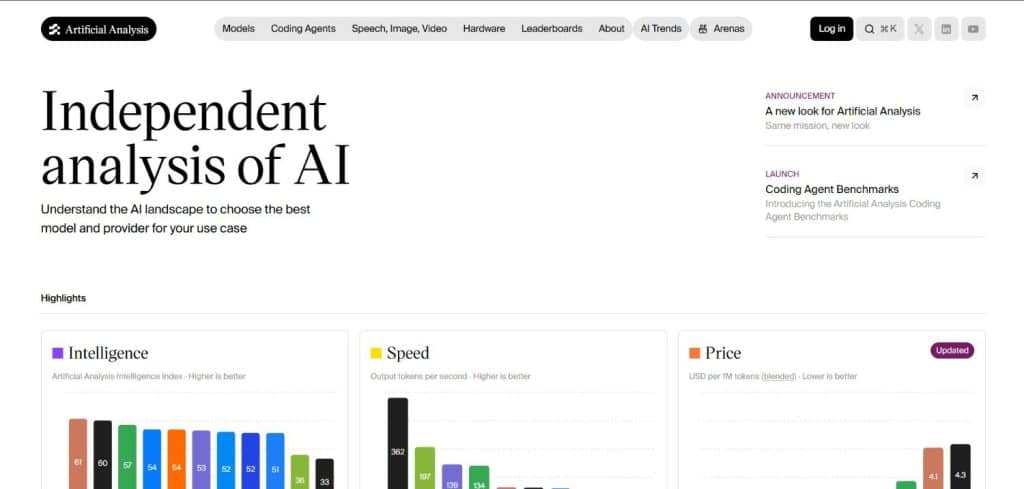
Every article about choosing an LLM for a production use case links to it. As new models launch weekly, the leaderboard updates automatically.
The curated list category has one clear principle: a maintained database beats a one-off list every time. The effort of keeping it current is the moat. Most competitors publish a list once and move on. But if you commit to maintaining it, you win the category over time.
How to Decide Which Type to Build First
The biggest mistake teams make is spending months debating asset type rather than spending weeks shipping something. Here is how you can make it.
Step 1: Match your resources
The right asset is the one your team can actually execute to a high standard in the next 60 days. Not the one that would theoretically earn the most links. The best linkable asset is the one that exists.
Step 2: Use the decision table
The table below can help you make the right decision.
| Situation | Best First Asset | Time to first RD (approx.) |
|---|---|---|
| You have proprietary data or survey access | Original research or data study | 6-12 weeks |
| You have a dev or a no-code resource | Free tool or calculator | 4-8 weeks |
| You are a B2B SaaS or have deep technical knowledge | Ultimate guide or glossary | 8-16 weeks |
| You have design/engineering knowledge | Visual or interactive asset | 12-24 weeks |
| You or your founder has a strong POV on a topic | Opinionated take or manifesto | 2-6 weeks |
| You can build or maintain a database in your niche | Curated list or database | 4-10 weeks |
Step 3: Think long term, not one-off
- Original research and curated databases compound most aggressively over time.
- Visual assets earn the most links in the shortest window.
- Opinionated takes are fastest to produce but have the lowest ceiling.
- Guides and glossaries have the longest shelf life.
- Free tools are the only category that earns links and conversions simultaneously.
What to expect in month 1 vs month 6
Month 1: 0-20 referring domains from organic discovery, sharing, and early mentions. This is normal, so don’t panic or conclude the asset has failed.
Month 3: 20-100 RDs if you have done basic distribution like seeding to newsletters, posted in relevant communities, and sent a handful of targeted outreach emails to writers who cover the topic.
Month 6: 100-500 RDs for a well-executed original research or free tool asset. Less for a manifesto. More for a well-maintained database that has been picked up as a resource by a large publication.
Month 12+: The compounding begins. New articles cite it because an earlier article cited it. Your domain authority rises, making it easier for the asset page itself to rank for relevant terms that generate more organic discovery and more links.
The 27 examples above are not aspirational benchmarks; they are evidence of what actually works. Study them, pick the format that fits your resources, build it properly, and maintain it. That’s how it works.