HARO is back, but it’s no longer the only place to look for journalist requests. If you’re searching for HARO alternatives, platforms such as Source of Sources, Featured, and Qwoted give you plenty of other ways to land media opportunities.
The main difference is how these platforms work. Some still rely on email alerts, much like the old HARO setup. Others use dashboards, expert profiles, or social platforms to bring journalists and sources together.
This guide looks at the main HARO alternatives worth considering in 2026. For each platform, we’ll cover pricing, who it’s best for, and a few practical tips to help you get more responses to your pitch.
Best HARO Alternatives of 2026 at a Glance
Here’s a quick comparison of the top HARO alternatives, including their main use cases, free options, and starting prices.
| Platform | Best for | Free plan? | Paid from |
|---|---|---|---|
| Source of Sources | Old-HARO feel | Yes | Free |
| Featured | Steady link opportunities | Yes | $39/month |
| Qwoted | PR and top-tier media | Yes (2 pitches/month) | $149/month |
| MentionMatch | B2B/marketing niches | Yes | Free |
| SourceBottle | Australia/NZ/lifestyle | Yes | $25/pitch |
| Social media hashtags | Fast, free requests | Yes | Free |
What Happened to HARO? A Quick Timeline
HARO has had a few major changes over the years. Cision owned HARO, renamed it Connectively, and eventually shut the service down in late 2024.
Then, in April 2025, Featured bought HARO and brought the service back. Featured also relaunched a new version of Connectively, so both names are active again under the same owner. That’s why many pages still say HARO is dead. They’re often based on what happened before the 2025 relaunch.
Here’s the timeline:
| Year/Period | What happened |
|---|---|
| 2008 | Peter Shankman starts HARO |
| 2010 | Vocus acquired HARO |
| 2014 | Cision gets HARO through its Vocus merger |
| 2024 | HARO rebranded as Connectively |
| Late 2024 | Connectively shuts down |
| April 2025 | Featured buys HARO from Cision, and HARO email restarts on April 22 |
So, HARO isn’t simply a discontinued service anymore. It returned under new ownership after Connectively shut down.
Spam and low-quality pitches became a growing problem before shutdown. AI-generated pitches also added to the issue, making it harder for reporters to find useful responses.
There’s also one thing to remember when comparing HARO with other tools. Featured now owns HARO and the new Connectively, and it also sells its own platform. Free Featured members can get early access to HARO queries.
That doesn’t automatically make the platform a bad choice. It just means you should keep the ownership and business model in mind when Featured recommends its own paid features.
Best Sites Like HARO (Reviewed)
We tested the main HARO alternatives based on pricing, how they work, and who they suit.
Here’s what to know about each platform before you decide where to start.
1. Source of Sources: Free and Closest to HARO
Source of Sources, or SOS, is a free email list created by Peter Shankman, the very own founder of HARO. If you liked the simple way old HARO connected journalists with experts, SOS follows a similar approach.

How it Works:
You sign up for Source of Sources and receive up to three emails a day. Each email contains queries from journalists looking for people who can provide useful information or expert opinions.
When you find a query that matches your experience, you can reply directly to the journalist. Each email can contain 20 or more queries, covering different topics and publications. The queries also include useful details such as the journalist’s name, publication, and deadline.
The emails usually arrive in the morning and afternoon, after 6 AM EST and 1 PM EST, although the timing can change. After signing up, check your inbox for a few days to get a feel for the schedule.
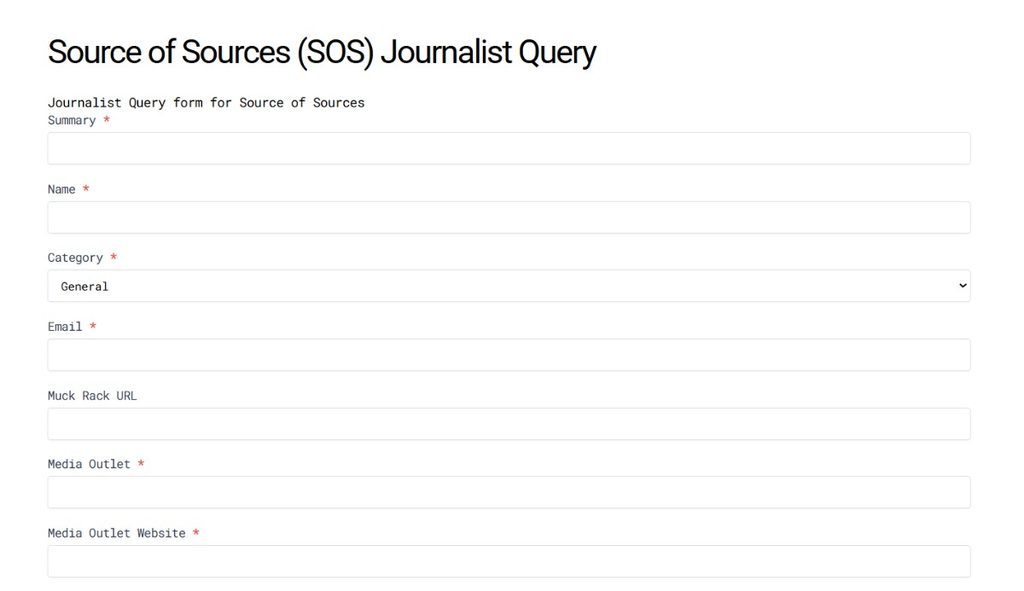
Journalists can also submit their own queries through the SOS website. New reporters using a personal email address may need to complete an identity check before submitting a query.
What it Costs:
Source of Source is completely free. There are no paid plans or subscription fees.
Who it Suits:
SOS works well for beginners, freelancers, and small business owners who want an easy way to find media opportunities.
It’s also useful if you’re comfortable answering questions across different industries. Unlike niche platforms, you’ll see queries covering a wide range of topics.
How to get better results using SOS:
Since everyone receives the same emails, responding quickly can give you a better chance of being noticed. When a query closely matches your expertise, try to reply as soon as possible.
Keep your pitch short and focused. Start by
- Addressing the journalist
- Mention the query you’re responding to
- Explain your relevant experience and
- Provide your contact details
Pros of SOS:
- Free to use with no plan limits
- Queries are grouped by topic, making them easier to scan
- Includes queries from publications such as Forbes, BBC, and The Wall Street Journal
- Up to three emails a day, so there is a steady flow of opportunities
- Each email can contain 20 or more queries across different topics
Cons of SOS:
- Everyone receives the same queries, which means popular topics can be competitive
- Sending irrelevant pitches can get you removed from the list
Verdict: Source of Sources is a simple, free HARO alternative that works especially well for beginners. If you want the old HARO style experience without paying for the platform, it’s a good place to start.
2. Featured: Free Plan and Paid Upgrades
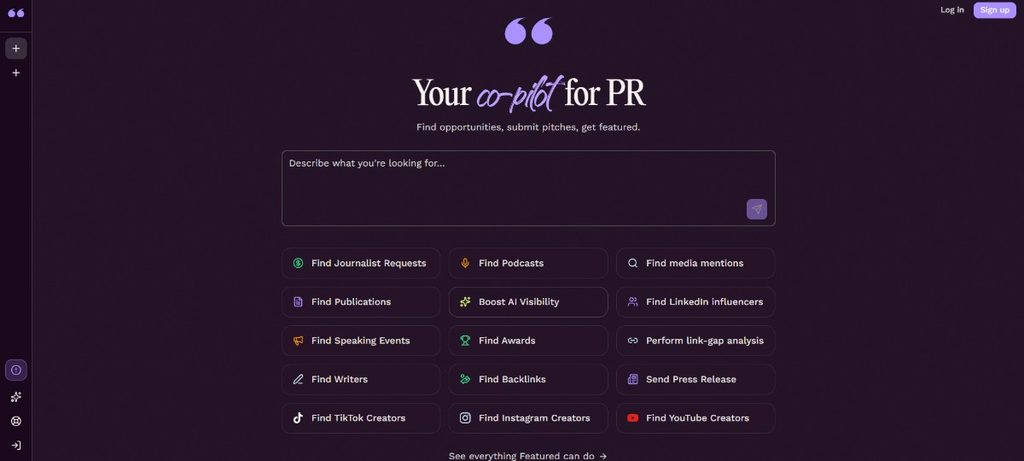
Despite being the owner of HARO, Featured works differently from an email-based service. Instead of receiving a list of queries in your inbox, you find publisher questions inside a dashboard and submit your answers there.
How it Works:
First, you create an expert profile and choose the topics you know about. You can also set keyword alerts to find questions that match your experience.
When you find a relevant question, you submit your answer through Featured. The platform reviews questions and answers before they’re published.
Featured says its platform has more than 50,000 experts, over one million submitted answers, and 2,500 media outlets. Recently, it relaunched AI co-pilot for PR and GEO Audit, showing its continued efforts to add more features and provide greater value to its users.
What it costs:
Featured has a free plan, but it limits you to 3 answers per month and 3 keyword alerts. You also get answer tracking.
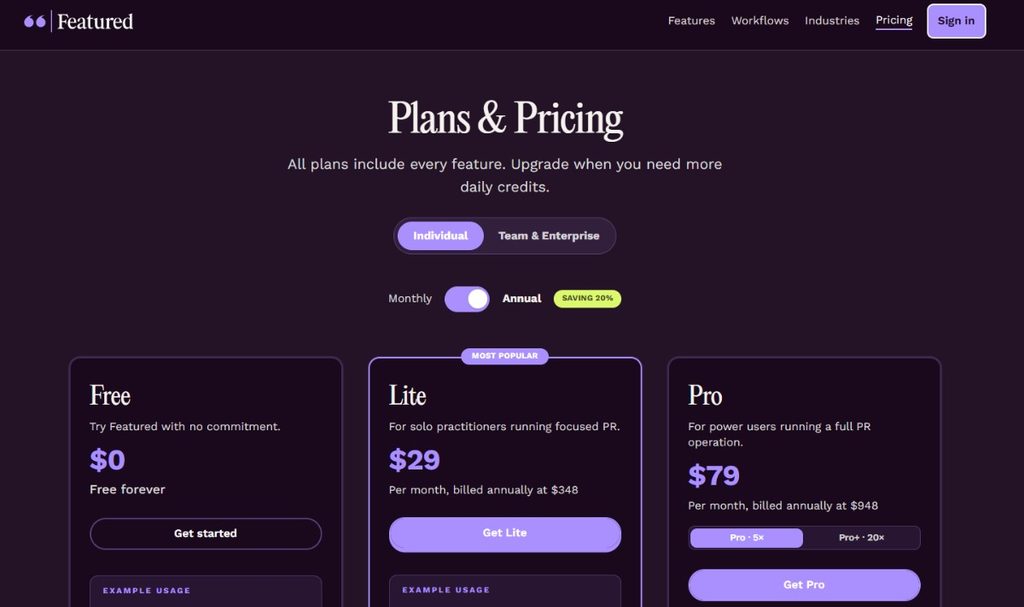
If you need more submissions and features, the paid individual Liet plan starts at $29 per month when billed annually, or $39 per month when billed monthly. Team and enterprise plans cost more.
Who it Suits:
Featured is useful for people who want a steady stream of questions without searching through emails all day.
It can work especially well for B2B experts, consultants, and business owners who regularly have industry knowledge to share.
How to get better results using Featured:
Treat each question as an opportunity to show your expertise, not just a way to get a backlink. This approach also fits with white-hat link building, where the focus is on earning links through genuine, useful content and relationships.
Start by:
- Reading the question carefully and answering exactly what the publisher is asking.
- Keeping your strongest point near the beginning of your response.
- Avoiding long introductions and focusing on information that the publisher can actually use.
Pros of Featured:
- Tracks your answers from submission to publication
- Paid plans provide link and domain information
- Free members get early access to HARO queries
- Dashboard-based, so you don’t have to dig through emails
- Keyword alerts surface questions that match your expertise
Cons of Featured:
- The free plan allows only 3 answers per month
- Publisher quality can vary, so check each opportunity carefully
Verdict: Featured is worth trying as a second HARO alternative. Start with the free plan, see how many relevant questions you find, and only consider upgrading if you need the extra features.
3. Qwoted: Built for PR Pros and Experts
Qwoted is designed for PR professionals, agencies, founders, and experts who want to connect with journalists. Instead of sending a general email to everyone, journalists post a “Call for Experts,” and you can pitch directly through the platform.
How it Works:
You start by creating an expert profile with experience, job title, and company. You can then browse relevant calls and send pitches using the credits included in your plan.
Qwoted also decides which experts see each call. It looks at your profile and your previous pitches on similar topics. This means a focused profile can help you find more relevant opportunities.
What it Costs:
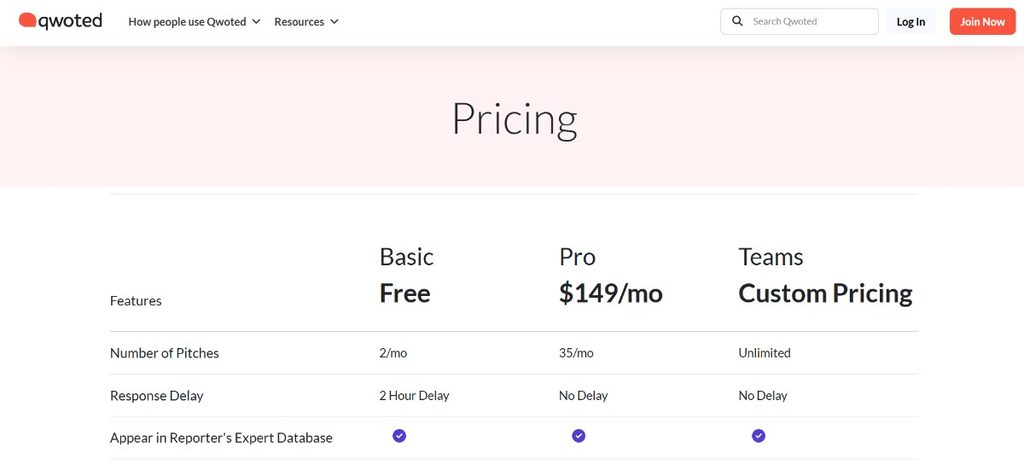
Qwoted currently has three plan levels.
| Plan | Pricing | What you get |
|---|---|---|
| Basic | Free $0 | 2 pitches per month, with a 2-hour delay on new requests |
| Pro | $149/mo | 35 pitches/month, no delay, Pitch Intelligence, events and awards database |
| Teams | Custom pricing | Unlimited pitches, Account manager, weekly reporting, and interview coordination |
Note: Pricing for PR and Experts is the same.
Who it Suits:
Qwoted is mainly suited to Pr professionals, agencies, and founders who want media opportunities and are willing to invest more time and money into pitching. Understanding digital PR statistics can also help put the value of these media opportunities into perspective.
It can also make sense for experts who regularly have useful insights to share with journalists.
How to get better results using Qwoted:
Qwoted recommends keeping pitches focused.
- It suggests that pitches of around 7 to 12 sentences can get better response rates.
- Speed matters. So, try to respond within 12 hours, even if the journalist’s deadline is several days away.
- Add your job title and company so journalists can immediately see who you are.
- Keep the response relevant and useful.
Pros of Qwoted:
- Pro removes the delay, letting you respond to new calls sooner
- Pitch Intelligence shows how competitive a request is
- Journalists can see your name, job title, and company with your pitch
- Calls are matched to experts based on their profile and past pitches
- Journalists post direct “Calls for Experts,” so requests are specific
Cons of Qwoted:
- The free plan has a small pitch limit and a delay
- Popular calls can still attract many experts
Verdict: Qwoted is better suited to active Pr and media outreach than occasional link building. The free plan is a practical way to test it before considering the $149 monthly plan.
4. MentionMatch: A Niche HARO Alternative for B2B
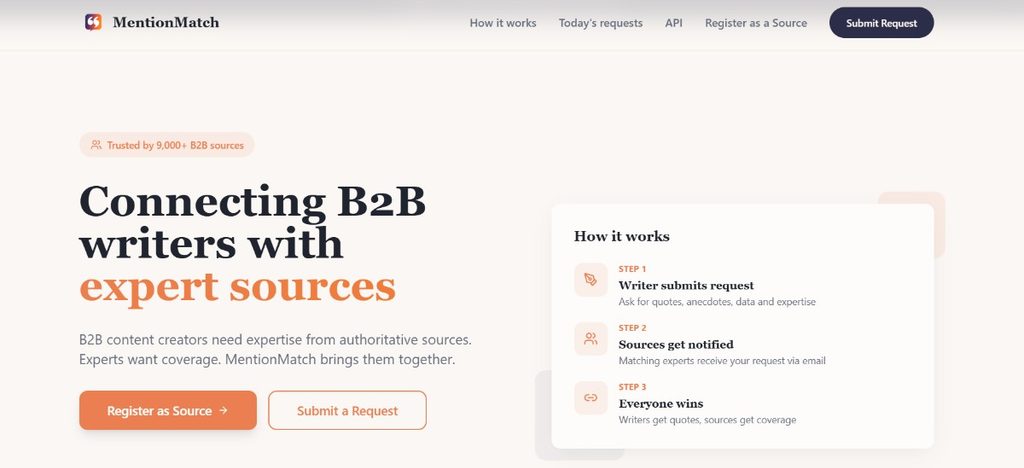
MentionMatch is a more focused platform than HARO. It connects B2B writers with experts who can provide quotes and insights for their content. The platform was previously called Help a B2B Writer.
How it Works:
You create a free source profile and choose the topics you know well, such as marketing, CRO, UX, or finance.
Writers then submit requests based on the expertise they need. If your profile matches a request, you can contact the writer directly. You can find opportunities through email or by browsing the platform.
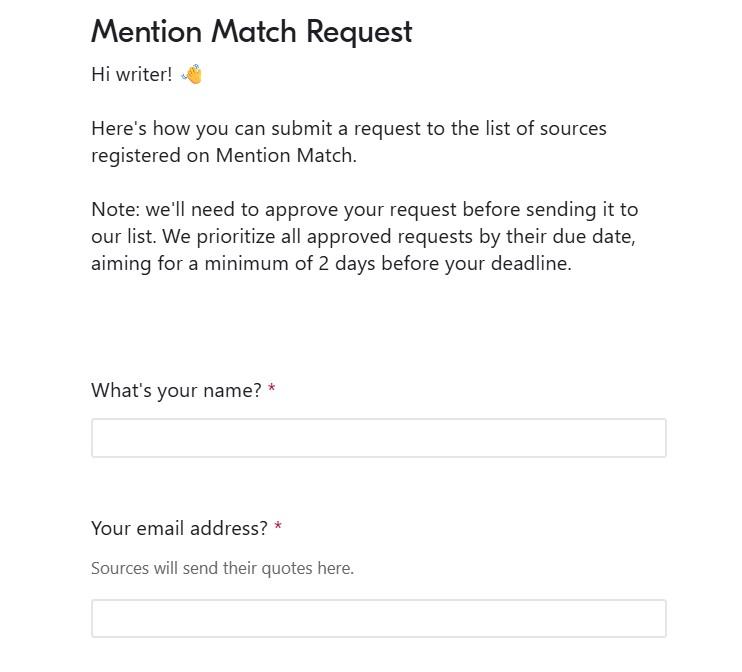
MentionMatch covers around 15 industries, so the opportunities are mainly focused on B2B topics rather than general consumer subjects.
What it Costs:
MentionMatch is free for writers and offers a free option for sources. The platform was acquired by Superpath, which said it would keep the service free for both sides.
Who it Suits:
MentionMatch is a good fit for experts writing in areas such as:
- SaaS
- Marketing
- Finance
- Technology
- HR
If your expertise is mainly in consumer, lifestyle, or entertainment topics, you may find fewer relevant opportunities.
How to get better results using MentionMatch:
As MentionMatch covers 15 industries, you can start by:
- Choosing your area of expertise. Selecting too many topics can fill your inbox with irrelevant requests, while selecting too few can limit your opportunities.
- Giving the writer something they can use directly. A specific fact, number, example, or short personal experience is usually more useful than a long general explanation.
- Keeping your response focused and answering the exact question the writer asked.
Pros of MentionMatch:
- Requests are matched to your areas of expertise
- Free for both writers and sources
- Many requests come from content marketers who need expert quotes
- Covers around 15 B2B industries
- Superpath has said it will keep the service free
Cons of MentionMatch:
- Fewer requests than larger platforms like HARO
- Opportunities may come more often from smaller websites than major news publications
Verdict: MentionMatch is a useful free add-on for B2B experts. It has fewer opportunities than larger platforms, but its focused approach can make finding relevant requests much easier.
5. SourceBottle: A HARO Alternative for Lifestyle and Regional Media
SourceBottle started in Australia and still has a strong presence there. It also carries journalist requests from the US, UK, Canada, and New Zealand, making it useful if you want opportunities outside Australia.

How it Works:
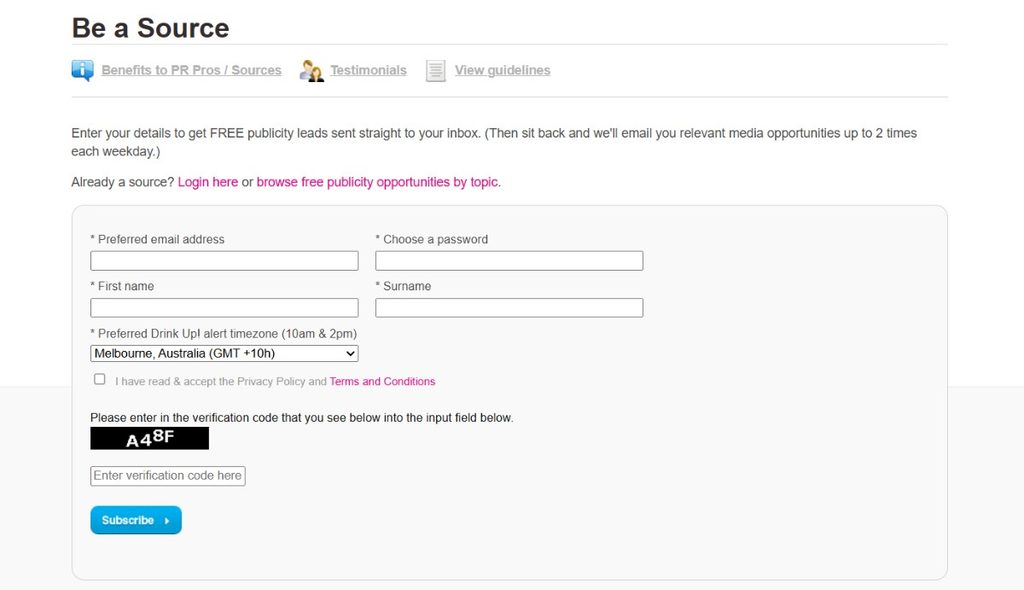
Journalists post free requests, often called “call-outs.” If you subscribe, you can receive up to two emails a day with new opportunities.
You can choose the topics, categories, and locations that interest you. This helps reduce the number of irrelevant requests in your inbox.
There’s another way to get noticed. Journalists can search the SourceBottle Expert Directory when they need a specific type of expert. Some opportunities may come through the directory instead of the regular email alerts.
That makes creating an expert Profile worthwhile. You can add your areas of expertise and relevant keywords so journalists can find you when they are looking for sources.
SourceBottle also has paid “requests” for things such as giveaways, prizes, and case studies. These are different from the regular journalist call-outs.
What it Costs:
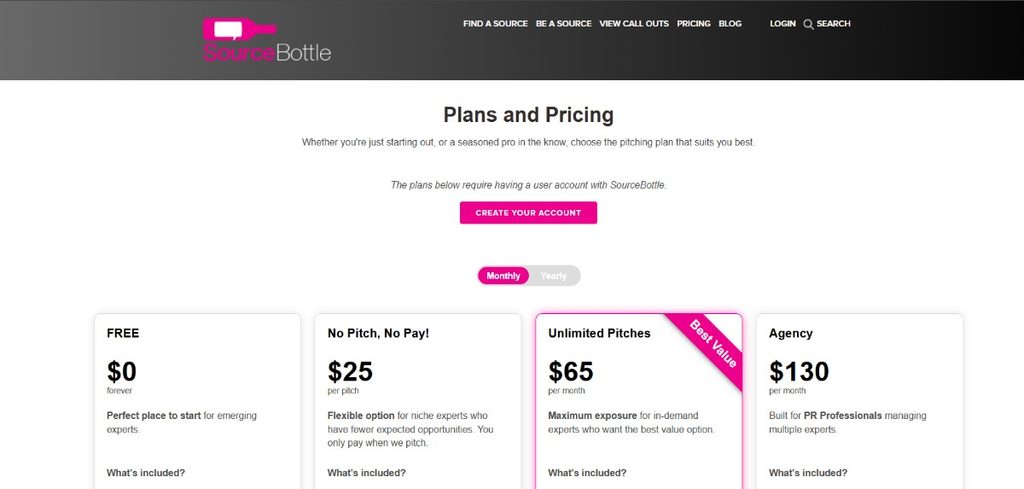
SourceBottle offers 4 plans.
| Plan | Pricing | What you get |
|---|---|---|
| Free | $0 | Expert Profile, directory listing, media callouts, and up to 10 keywords |
| No Pitch, No Pay! | $25 per pitch | SourceBottle pitches your profile to up to 3 relevant callouts per month and allows up to 20 keywords |
| Unlimited Pitches | $65/mo | Unlimited pitching, unlimited keywords, priority directory listing and featured promotion eligibility |
| Agency | $130/mo | Up to 5 Expert Profiles, unlimited pitching and unlimited keywords |
The free plan is enough if you want to find journalist requests and pitch them yourself. The paid plans are mainly useful if you want SourceBottle’s team to pitch your profile for you.
Who it Suits:
SourceBottle works particularly well for experts in:
- Lifestyle
- Travel
- Parenting
- Food
- Consumer topics
How to get better results using SourceBottle:
Keep your pitch short and get to the useful information quickly. Start by:
- Including a brief introduction, then answering the journalist’s question clearly.
- Adding accurate expertise areas and relevant keywords so your profile appears for the topics you actually know.
- Giving the journalist a specific answer they can use in their article instead of a generic response.
Pros of SourceBottle:
- Free alerts with topic and location filters
- Up to two emails a day, so your inbox is less crowded
- Giveaways and case studies provide additional media opportunities
- Expert profiles can help journalists find you directly
- Alerts can be filtered by topic, category, and location
Cons of SourceBottle:
- Not as strong for B2B and technology topics
- Paid plans cost more if you want SourceBottle to handle the pitching
Verdict: SourceBottle is a useful choice for lifestyle experts and people targeting Australian or New Zealand media. Its free plan also makes it easy to test before paying for pitching help.
6. Journalist Requests on X, Bluesky, and LinkedIn
Not every HARO alternative is a dedicated platform. Journalists also post source requests on social media using hashtags such as #journorequest.

How it Works:
Search for #journorequest along with your topic or area of expertise. For example, you could search for ‘#journorequest marketing’ or ‘#journorequest finance.’
When you find a relevant request, check the journalist’s profile and publication first. If the journalist has shared an email address, you can send your response directly.
The hashtag has been used on X (formerly Twitter) for many years, so there are often new requests to check. You can also save your searches to make checking them faster.
The same approach can work on Bluesky and LinkedIn, where journalists and writers also share source requests.

What it Costs:
It’s completely free. You only need an account on the social platform you want to use.
There are also paid tools that collect these requests and send alerts through platforms such as Slack or Microsoft Teams. These can save time, but they aren’t necessary if you are happy to search manually.
Who it Suits:
This approach works well for people who already spend time on social media and can respond quickly.
It can also be useful if you want to find individual requests instead of competing with everyone who receives a large email digest.
How to get better results using Social Media:
You can get better results if you:
- Don’t search only for #journorequest. Add your topic or expertise to narrow down the results.
- Find a potential opportunity, check the journalist’s profile and publication before responding.
- Make sure the request is genuine and that the topic matches your expertise.
Pros of Social Media:
- Free to use
- Requests can appear in real time
- You can see the journalist and publication immediately
- Searching by topic helps you find more relevant opportunities
- Optional paid tools can send alerts to Slack or Microsoft Teams
Cons of Social Media:
- Requests are scattered across social media
- Not every journalist uses these hashtags
- Some requests may come from smaller or less relevant publications, so check the outlet first
Verdict: #journorequest is a useful free addition to your media outreach strategy, especially if you already use X, LinkedIn, or Bluesky. It takes more manual work than dedicated HARO alternatives, but you can find requests as they appear.
More HARO Alternatives Worth Knowing
These tools don’t replace HARO directly. Instead, they cover specific needs such as UK media requests, social media alerts, and direct journal pitching.
| Platform | What it is | Starting Price | Best for | Platform Link |
|---|---|---|---|---|
| ResponseSource | A long-running UK journalist enquiry service used by PR agencies. It also connects with Vuelio’s media database and press release tools. | £85 | UK PR agencies | Here |
| Dot Star Media | Collects journalist requests from X and Bluesky and sends alerts through email, Slack, or Microsoft Teams. | £40/mo | Teams that want #journorequest alerts without manual searching | Here |
| JournoFinder | Brings journalist requests from different services and social media into one dashboard. It also uses semantic search to find relevant opportunities. | Free, $180/mo | People who want all requests in one place | Here |
| Muck Rack | A PR platform for finding journalists and managing direct media outreach. | Contact team | PR teams with a budget | Here |
| Prezly | PR software for finding media contacts and pitching stories directly. | £150/mo | Teams running ongoing PR campaigns | Here |
These tools are worth knowing about, but you probably don’t need all of them. Start with the six main HARO alternatives above and add one of these when you have a specific need, such as UK media coverage, social media alerts, or proactive pitching.
How to Choose the Right Alternative to HARO
Choosing a HARO alternative comes down to four simple questions:
- What can you spend? Free, around $30 a month, or $150 and up.
- What is your niche? General, B2B, or lifestyle.
- Where are you targeting? US, UK, Australia, or New Zealand.
- How much time do you have? Ten minutes a day or an hour.
Keep your answers in mind as you compare the platforms. Each one fits a different mix of budget, niche, location, and time. If you plan to combine HARO alternatives with direct outreach, these cold outreach statistics can also help you understand what to expect.
Which HARO Alternative Is Best for You?
There is no single HARO alternative that works for everyone. The right choice depends on your budget, industry, location, and how much time you can spend looking for media opportunities.
| If you are… | Start with |
|---|---|
| New with no budget | Source of Sources + MentionMatch |
| B2B/SaaS expert | MentionMatch + Featured |
| PR pro with budget | Qwoted |
| Based in Australia/NZ | SourceBottle |
| Fast and social | X/Bluesky hashtags |
You don’t need to sign up for every platform at once. Start with one or two that match your situation, see how relevant the requests are, and expand from there.
Conclusion: Source of Sources is the Best HARO Alternative to Start With
For most people, Source of Sources is the best HARO alternative. It’s free, it follows the familiar email format, and it covers a wide range of topics. But the right platform depends on your budget and niche. So here are three options to consider:
- Best free option: Source of Sources
It costs nothing, has no plan limits, and is the closest to the original HARO experience.
- Best paid option: Qwoted
If you pitch journalists regularly and want faster access to new requests, the Pro plan ($149/mo) removes the delay and adds Pitch Intelligence.
- Best niche-based option: MentionMatch
If you’re a B2B expert in areas like SaaS, marketing, or finance, its industry-matched requests can help you find relevant opportunities faster.
Before you pay for anything, try the platform on its free plan first. Check whether the requests match your expertise, and upgrade only if you keep finding opportunities worth pitching.
FAQs
Source of Sources and MentionMatch are free options, while Featured, Qwoted, SourceBottle, and social media hashtags also provide free ways to find opportunities.
MentionMatch is designed around B2B content requests, making it useful for experts in areas such as SaaS, marketing, finance, technology, and HR.
Qwoted can suit PR professionals, agencies, founders, and experts who regularly pitch journalists and need more pitching opportunities and features.
Yes. Journalists share source requests on X, Bluesky, and LinkedIn, often using hashtags such as #journorequest to find relevant experts.